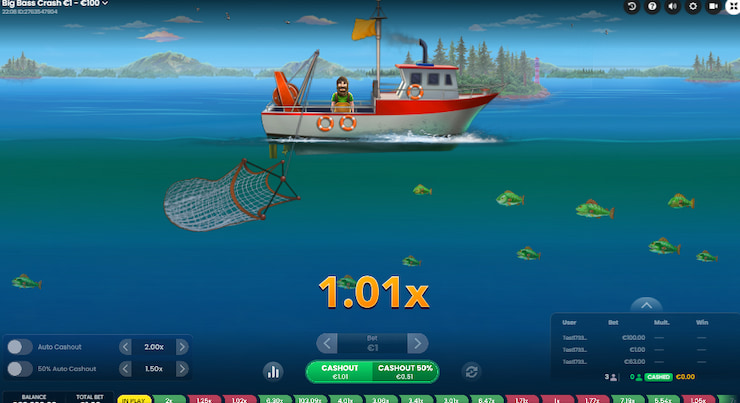

The online gaming scene is saturated. Titles appear and vanish all the time. A game that endures does so because it adapts and evolves. Right now in Canada, something noteworthy is happening with the Big Bass Crash game. Its developers took a decisive step. They decided to listen to their players. They didn’t just open a suggestion box and neglect it. They created direct connections to their Canadian community, actively compiling, categorizing, and applying player feedback to change the game. This isn’t about fixing minor bugs. It’s about a different way of building a game, where Canadian players help draw the map for what comes next. The game now matches what its audience wants. That creates a feeling of investment and dedication you don’t see every day. For a game all about the nerve-wracking second before a multiplier crashes, this emphasis on player input has become its most dependable feature.
Canada’s Player’s Voice: An Open Line to Developers
Usually, playing an online game in Canada can feel like a monologue. You receive a finished product. Your ideas enter a black hole. The Big Bass Crash team sought to change that feeling from the start. They established several easy ways for their Canadian community to be heard. They launched dedicated threads on big gaming forums. They organized social media campaigns to listen on platforms Canadians use. They even included a simple feedback tool inside the game itself, so players could share thoughts without stopping their session. The real trick wasn’t simply making these channels. It was making sure players knew they worked. Anyone who submitted feedback got an automatic confirmation that their message was received. Community managers regularly published updates about what topics players were talking about most. This started a cycle. Players saw others getting a response, so they were more comfortable sharing their own detailed ideas. They knew a person would read it, not just a computer ticket system.
From Idea to Implementation: The Feedback Implementation Process
Receiving feedback is the first step. Turning it into a real game update is a much bigger task. The team established a strict system to manage all the suggestions from Canadian players. First, every piece of feedback is categorized. It goes into groups like “Gameplay Mechanics,” “Visual/Audio Design,” “Performance Issues,” and “New Feature Requests.” Then a team examines each category. This team consists of game designers, developers, and data analysts. They don’t just go by popular opinion. They compare it with numbers. If many players suggest a new bet level, the analysts examine data to see if players are leaving at certain stake points. The best ideas that are also possible to build get placed on a public roadmap. The clarity here is key. The developers share what they’re doing, and also detail why some popular ideas might take time or aren’t possible. They give these reasons in plain language, without technical jargon. This candor, even when the news isn’t what players hoped for, has built a strong layer of trust.
Major Gameplay Enhancements Based on Community Feedback
You can see the effects of this feedback loop directly in the style Big Bass Crash plays. Canadian players, who often enjoy both fast action and thoughtful strategy, provided many suggestions that became part of the game. One of the first big changes introduced a new autoplay function. The initial version was simple, just repeating bets. Players requested more control. They desired to set stop-loss limits, win targets, and automatic cash-out points at specific multipliers. Incorporating these options changed autoplay. It evolved from a simple convenience to a true tool for controlling risk. Another change resulted from visual feedback. Some players said the rocket’s multiplier climb was challenging to follow when it sped up fast. The team responded. They introduced clearer visual markers and an choice for a larger, on-screen multiplier display. These are not merely small tweaks. They alter how players engage with the heart of the game, reducing frustration and introducing more strategy.
Building Trust Through Transparency and Responsiveness
When gamers feel listened to, they remain loyal. In Canada, where people value fair treatment, the Big Bass Crash team’s transparent method has rapidly earned confidence. They frequently release update posts with a straightforward heading: “You Shared, We Acted.” These posts list exactly which feedback items made it into the latest update. Every entry references the forum discussion or community chat that initiated it. This conveys a distinct narrative of collaboration. Their handling of issues further strengthens confidence. One evening, connectivity delays impacted users in Ontario. The team responded promptly. They were upfront about the issue, apologized, and sent automatic compensation to every affected account. Measure that against the sector’s practice of quietness or unclear messages. The contrast in player reactions is significant. On forums, players are more understanding and helpful when issues pop up. They trust the team is attempting to act correctly. That belief is the most important thing a game can have.
Tailoring the Experience: Regionalization Further than Language
For numerous games, making a edition for Canada means translating text into English and French https://bigbasscrashcasino.ca/. The Big Bass Crash project dug deeper. Real localization signifies comprehending cultural and practical details. Player feedback highlighted where to go further. This led to adding payment methods Canadians recognize and prefer for deposits and withdrawals, which is crucial for convenience and security. The game’s bass fishing theme functions everywhere, but the team included small touches based on suggestions. You may see visuals drawn from Canadian lake scenery during special seasonal events. They also adjusted how customer support functions to meet Canadian expectations for quick, clear help. Special tournaments and bonus events now align with Canadian holidays and long weekends, when more people are online to play. This kind of detail demonstrates respect for the player’s world. It helps the game feel less like an import and more like something designed for them.
Future Roadmap: Shaping Together the Next Key Features
The feedback project has expanded. It’s presently a model for collaboratively developing what is next. The developers are no longer just fixing issues. They’re inviting the Canadian community to help dream up new features. They utilize polls and targeted discussion groups to assess early concepts with players. Right now, the community is contributing ideas for new bonus round mechanics, social features for friendly competition, and unique seasonal events. One player concept for a “Northern Pike” bonus mode is garnering real attention from the design team. Bringing players in at this early stage lowers risk. It keeps the team from spending time and money creating something players don’t actually want. This collaborative look ahead makes sure the game develops in a direction players value. That’s how a game keeps its relevance and engaging in a market like Canada’s.
How to Contribute Your Feedback Constructively
If you are a Canadian player who wants to take part in this discussion, the way you provide feedback counts. Considering their process, the suggestions that gain action possess a few things. They are detailed and useful. Don’t just claiming “the game is boring.” Instead, offer something like, “After an hour, the wait between big wins loses my attention. Maybe a small visual reward every 10th cash-out would help.” Furthermore, consider what’s possible. Large suggestions are great, but proposals that match the game’s existing mechanics often get implemented faster. To ensure your input assists, adhere to these steps:
- Use the in-game feedback tool for fast bug reports or responses during playing.
- When it comes to bigger feature ideas, go to the official community forum. Check first to voice your agreement to similar ideas, or begin a detailed new topic.
- Explain the problem plainly. Where possible, propose a realistic way to fix it.
- Take part in official polls and surveys. The team employs this data directly to decide what to work on.
Think of it as a dialogue. The developers have proven they are hearing you. By offering concise, thoughtful feedback, you help influence the game you play.
What is occurring with Big Bass Crash in Canada illustrates what community-driven development achieves. Through establishing real feedback channels, employing a clear process to respond to that input, and thoughtfully adapting the experience for local players, the game has created a atmosphere of partnership. The enhancements to gameplay, localization, and communication are not just merely updates. They are the elements that build trust and loyalty. In an industry where developers commonly seem separate from their players, this open dialogue has accomplished two things. It has turned the game improved, and it has built a committed community that senses involved in the game’s success. By paying attention to its Canadian players, Big Bass Crash has found a way to endure.